
Understanding Rheumatoid Arthritis: A Comprehensive Guide
Rheumatoid arthritis (RA) is a chronic autoimmune disorder that primarily affects the joints, leading to inflammation, pain, and stiffness. It is a condition that can significantly impact an individual’s quality of life, making understanding its mechanisms, symptoms, causes, diagnosis, and treatment options essential for those affected and their families. In this comprehensive guide, we will delve deeply into rheumatoid arthritis, exploring its various facets and providing practical insights for managing this condition.
What is Rheumatoid Arthritis?
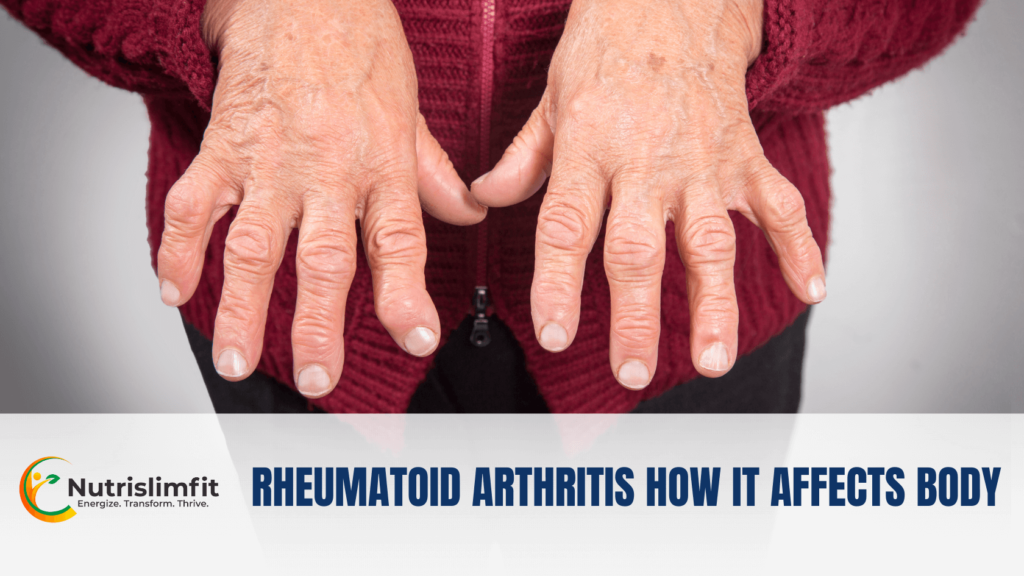
Rheumatoid arthritis is an autoimmune disease, meaning that the immune system mistakenly attacks the body’s own tissues. In RA, the immune system primarily targets the synovium, the lining of the membranes that surround the joints. This leads to inflammation, causing joint damage, deformities, and pain. RA can affect any joint in the body, but it commonly targets the hands, wrists, knees, and feet.
How RA Affects the Body
In RA, the inflammation caused by the immune response results in the following:
- Joint Damage: Persistent inflammation can lead to the erosion of bone and cartilage, resulting in joint deformities and decreased mobility.
- Synovial Fluid Changes: The inflamed synovium produces excess synovial fluid, causing swelling and discomfort in the joints.
- Systemic Effects: RA is not limited to the joints; it can affect other organs and systems, including the skin, eyes, lungs, heart, and blood vessels.
Symptoms of Rheumatoid Arthritis
The symptoms of rheumatoid arthritis can vary widely among individuals. They may come and go in flare-ups, and their severity can change over time. Some common symptoms include:
1. Joint Pain and Swelling
- Pain and swelling are typically symmetrical, meaning they affect the same joints on both sides of the body (e.g., both wrists or both knees).
2. Stiffness
- Morning stiffness is common and can last for more than an hour after waking up. Stiffness may also occur after sitting for extended periods.
3. Fatigue
- Many individuals with RA experience fatigue, which can be debilitating and may be exacerbated during flare-ups.
4. Fever
- Some people may experience a low-grade fever during periods of heightened inflammation.
5. Loss of Appetite and Weight Loss
- Inflammation can affect the appetite, leading to unintended weight loss.
6. Nodules
- Rheumatoid nodules, which are firm lumps that develop under the skin, commonly occur around the elbows or other pressure points.
7. Other Symptoms
- Some individuals may experience dry eyes, dry mouth, or other symptoms associated with secondary autoimmune conditions.
Causes of Rheumatoid Arthritis
The exact cause of rheumatoid arthritis remains unknown, but several factors are believed to contribute to its development:
1. Genetics
- Family history plays a significant role in the risk of developing RA. Certain genetic markers, such as HLA-DR4, are associated with an increased risk of the disease.
2. Immune System Dysfunction
- An abnormal immune response that mistakenly targets the body’s tissues is a hallmark of RA. Environmental triggers may influence this dysfunction.
3. Environmental Factors
- Factors such as smoking, exposure to silica dust, and certain infections have been linked to an increased risk of developing RA.
4. Hormonal Factors
- Hormonal changes, especially in women, may influence the onset of RA. The disease is more common in women than men, suggesting a possible hormonal connection.
5. Age
- Although RA can occur at any age, it is most commonly diagnosed in middle-aged adults.
Diagnosing Rheumatoid Arthritis
Diagnosing rheumatoid arthritis involves a combination of medical history, physical examination, and laboratory tests. There is no single test for RA, so healthcare professionals often use a combination of methods to arrive at a diagnosis.
1. Medical History
- A healthcare provider will take a detailed medical history, including a review of symptoms, family history, and any previous medical conditions.
2. Physical Examination
- A thorough physical examination will focus on joint swelling, tenderness, and range of motion. The provider may also look for signs of inflammation in other systems, such as the skin and eyes.
3. Laboratory Tests
- Blood Tests: Common tests include:
- Rheumatoid Factor (RF): A positive RF test indicates the presence of antibodies commonly found in RA patients, but it can also be positive in other conditions.
- Anti-Citrullinated Protein Antibodies (ACPA): The presence of these antibodies is highly specific for RA and can help confirm the diagnosis.
- Erythrocyte Sedimentation Rate (ESR) and C-Reactive Protein (CRP): These tests measure inflammation levels in the body, which can be elevated in RA.
4. Imaging Tests
- X-rays: Imaging can help assess joint damage and monitor disease progression.
- Ultrasound and MRI: These imaging techniques can provide detailed views of joint inflammation and damage.
Staging of Rheumatoid Arthritis
Rheumatoid arthritis is often classified into four stages based on the severity of the disease and the extent of joint damage:
1. Stage 1: Early RA
- In this stage, joint inflammation occurs without noticeable joint damage. Symptoms may include mild pain, swelling, and stiffness.
2. Stage 2: Moderate RA
- This stage is characterized by increased inflammation and the beginning of joint damage. Individuals may experience more pronounced symptoms and reduced mobility.
3. Stage 3: Severe RA
- Severe joint damage occurs at this stage, leading to significant limitations in function and mobility. Symptoms may include deformities in the affected joints.
4. Stage 4: End-Stage RA
- In this final stage, extensive joint damage occurs, resulting in severe pain and disability. Joint deformities may be apparent, and individuals may require assistive devices for mobility.
Living with Rheumatoid Arthritis
Living with rheumatoid arthritis can be challenging, but with proper management and support, individuals can lead fulfilling lives. Here are some strategies to help cope with the condition:
1. Education and Awareness
- Understanding RA is crucial for effective self-management. Educating yourself about the condition, treatment options, and lifestyle modifications can empower you to take an active role in your health.
2. Regular Medical Care
- Establishing a good relationship with a healthcare provider is essential for monitoring the disease and adjusting treatment as needed. Regular check-ups and open communication are key to managing RA effectively.
3. Physical Activity
- Regular exercise can help maintain joint function, improve mobility, and reduce stiffness. Low-impact activities like swimming, cycling, and walking are often recommended. Always consult a healthcare provider before starting a new exercise regimen.
4. Healthy Diet
- A balanced diet rich in fruits, vegetables, whole grains, lean proteins, and healthy fats can help manage inflammation and support overall health. Some individuals find that certain dietary changes, such as increasing omega-3 fatty acids, can alleviate symptoms.
5. Stress Management
- Stress can exacerbate RA symptoms, so finding effective stress management techniques is important. Activities such as yoga, meditation, and deep breathing exercises can promote relaxation.
6. Assistive Devices
- Using assistive devices, such as braces or canes, can help reduce strain on affected joints and improve mobility.
7. Support Systems
- Building a strong support network of family, friends, and support groups can provide emotional support and encouragement. Sharing experiences with others who have RA can be beneficial.
8. Monitoring Symptoms
- Keeping a symptom diary can help identify triggers and patterns in flare-ups. This information can be useful for discussions with healthcare providers.
Treatment Options for Rheumatoid Arthritis
While there is no cure for rheumatoid arthritis, various treatment options can help manage symptoms, slow disease progression, and improve quality of life. Treatment plans are often individualized based on the severity of the condition, patient preferences, and response to previous therapies.
1. Lifestyle Modifications
- Making changes to daily habits can have a significant impact on managing RA symptoms. This may include adopting a healthier diet, engaging in regular physical activity, and reducing stress.
2. Physical Therapy
- Physical therapists can design tailored exercise programs to improve joint function, reduce stiffness, and enhance overall physical fitness.
3. Occupational Therapy
- Occupational therapists can help individuals develop strategies for managing daily activities while minimizing joint strain.
4. Complementary Therapies
- Some individuals find relief through complementary therapies, such as acupuncture, massage, or chiropractic care. While evidence may vary, these approaches can provide additional support.
5. Surgery
- In severe cases of joint damage or deformities, surgical options may be considered. Procedures can include joint replacement, synovectomy (removal of the inflamed synovium), or tendon repair.
6. Medications
- While this article excludes medication details, it is essential to note that various medications are available to help manage RA symptoms and slow disease progression. Always consult a healthcare professional to determine the best course of treatment.
The Importance of Early Intervention
Early diagnosis and treatment of rheumatoid arthritis are crucial for preventing long-term joint damage and improving outcomes. The sooner treatment begins, the better the chances of achieving remission and minimizing the impact of the disease on daily life.
1. Disease-Modifying Antirheumatic Drugs (DMARDs)
- These medications can help slow the progression of RA and prevent joint damage. Early initiation of DMARDs is associated with better long-term outcomes.
2. Regular Monitoring
- Ongoing monitoring of disease activity and treatment response is essential for adjusting the treatment plan as needed.
3. Setting Goals
- Collaborating with healthcare providers to set achievable treatment goals can help track progress and motivate individuals to stay committed to their management plan.
Living Well with Rheumatoid Arthritis
Although rheumatoid arthritis can be challenging, many individuals find ways to live fulfilling lives despite their diagnosis. Here are some tips for living well with RA:
1. Focus on What You Can Control
- While RA can impose limitations, focusing on aspects of life that you can control—such as diet, exercise, and stress management—can empower you to make positive changes.
2. Set Realistic Goals
- Setting achievable goals can help maintain motivation and a sense of accomplishment. Celebrate small victories along the way.
3. Seek Support
- Do not hesitate to reach out for support from friends, family, or support groups. Sharing experiences and receiving encouragement can make a significant difference.
4. Stay Informed
- Stay updated on the latest research, treatment options, and coping strategies for RA. Knowledge is a powerful tool in managing the condition.
5. Practice Self-Care
- Prioritize self-care activities that promote relaxation and well-being, such as hobbies, spending time in nature, or practicing mindfulness.
Conclusion
Rheumatoid arthritis is a complex and multifaceted condition that affects millions of individuals worldwide. Understanding its symptoms, causes, and treatment options is crucial for effective management. By focusing on education, lifestyle modifications, and early intervention, individuals with RA can lead fulfilling lives despite the challenges posed by this condition.
If you or someone you know is experiencing symptoms of rheumatoid arthritis, it is essential to seek professional medical advice. Early diagnosis and a personalized treatment plan can significantly improve quality of life and reduce the risk of long-term complications.
Disclaimer: This article is intended for informational purposes only and does not constitute medical advice. Always consult with a healthcare professional before making any decisions regarding your health or before using any medications.
to now about Managing Blood Sugar Levels: click here